Futuristic cities, ancient wonders and some of the world's great stopovers — from Dubai's skyline to the rose-red city of Petra. Here's where to go, when to go, what it costs, and how to travel the region wisely.
The Middle East is where ultra-modern meets ancient, and where a lot of Australians get their first taste of the world beyond Asia — often without meaning to, on a stopover that turns into a holiday. Dubai's skyline, a desert sunset, a 2,000-year-old city carved into rock: it packs a lot of wonder into a short hop off the long-haul route.
It's also one of the great crossroads. The Gulf hubs — Dubai, Abu Dhabi and Doha — connect Australia to Europe, Africa and beyond, so a few days here slot neatly onto a bigger trip. Add Jordan's Petra and Wadi Rum, Oman's wadis and forts, and gleaming new cities rising from the desert, and there's far more depth than the shopping-and-skyscrapers reputation suggests.
There's a strong Aussie connection, too — tens of thousands of Australians live and work in the UAE, so for many it's a trip to visit family as much as to explore.
Break the long haul to Europe or Africa with a few days in Dubai, Abu Dhabi or Doha.
Record-breaking towers, indoor ski slopes, island resorts and world-class museums.
Petra, Wadi Rum, Jerash and desert forts — some of the planet's most evocative sites.
Year-round winter sun, beach resorts and some of the world's best hotels and airlines.
Theme parks, beaches and big-brand resorts make the Gulf a hit with kids.
With big Australian expat communities, especially in the UAE, it's a popular trip to visit family.
From the glittering Gulf cities to the deserts of Jordan and Oman — the destinations Australians are drawn to across the Middle East.

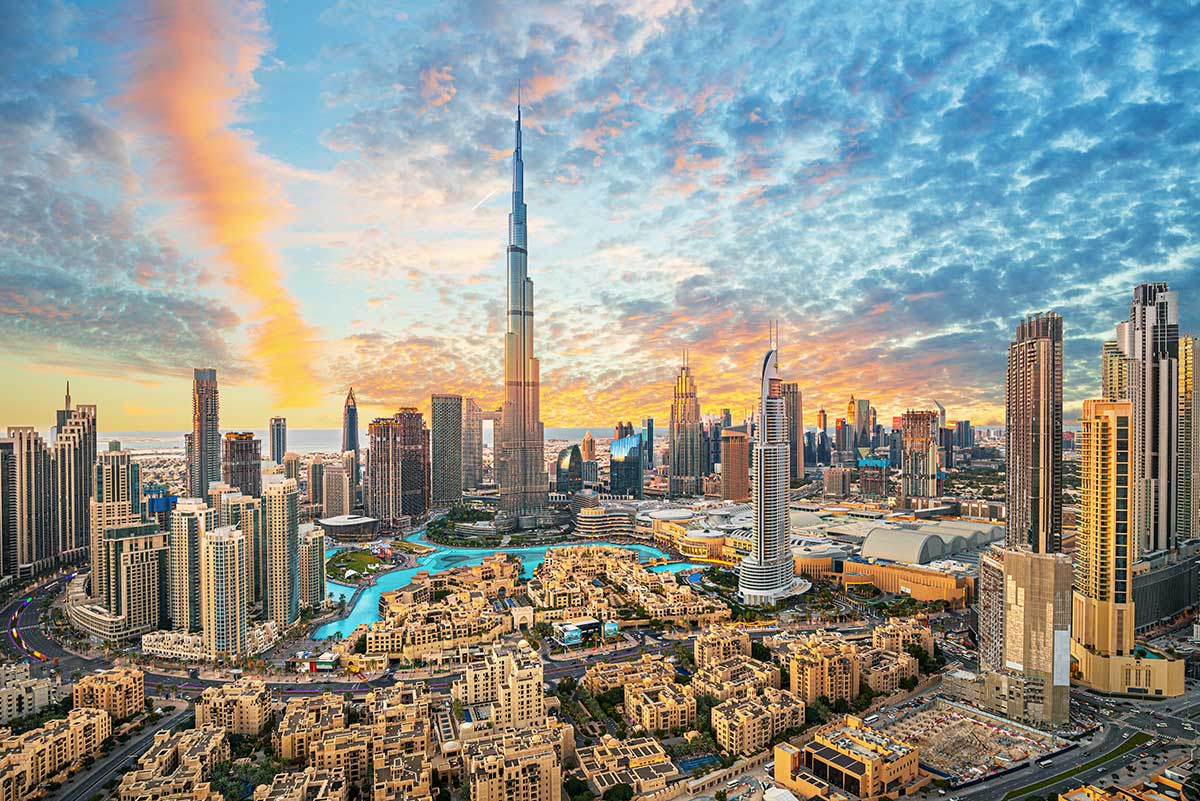
The UAE is the region's showpiece. Dubai dazzles with the Burj Khalifa, the Palm, desert safaris and endless shopping and dining; Abu Dhabi answers with the breathtaking Sheikh Zayed Grand Mosque, Louvre Abu Dhabi and Yas Island's theme parks. Whether it's a long weekend, a family holiday or a few days en route to Europe, it's slick, sunny and easy.

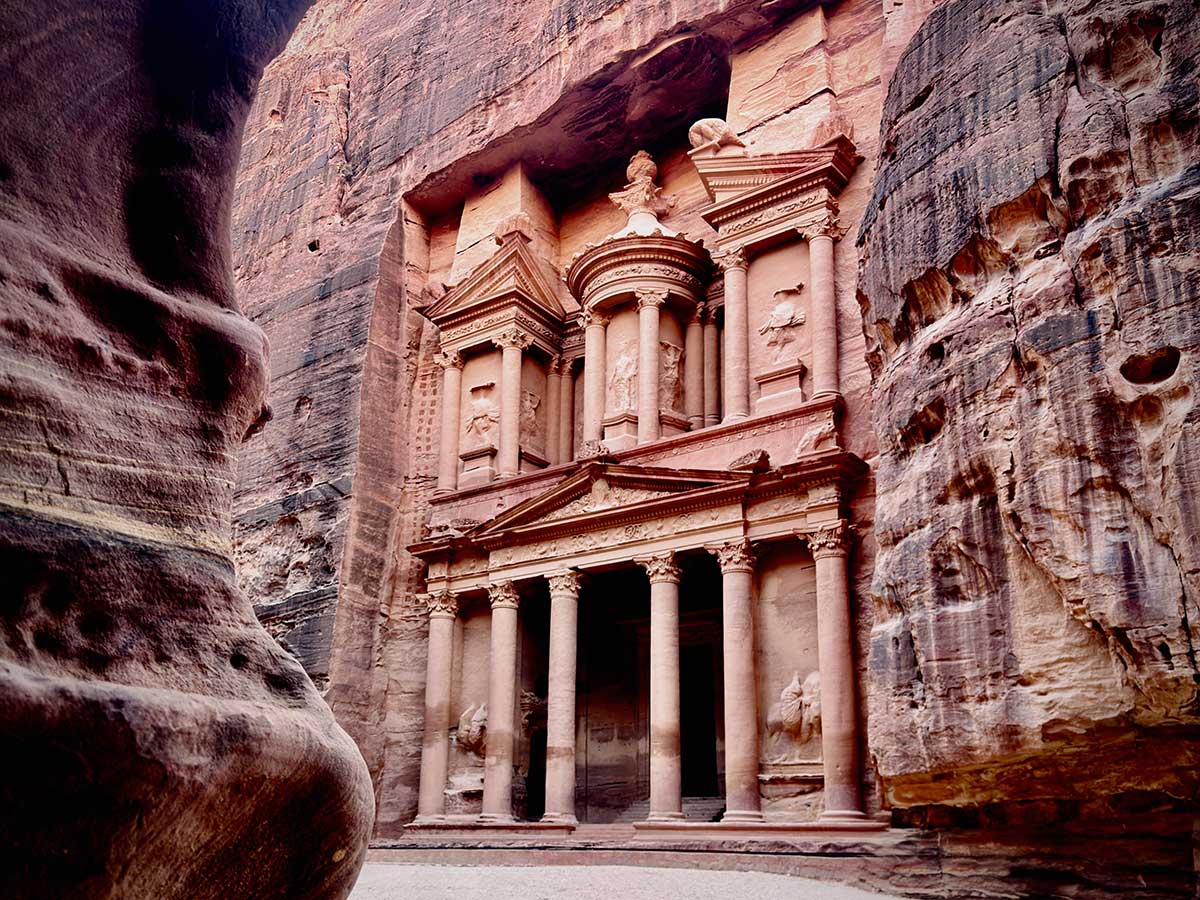
Jordan is the region's dream for history lovers. Walk the slot canyon to the Treasury at Petra, sleep under the stars in the red sands of Wadi Rum, float in the Dead Sea and explore the Roman ruins of Jerash. Compact, welcoming and astonishing, it's one of the world's great short adventures.

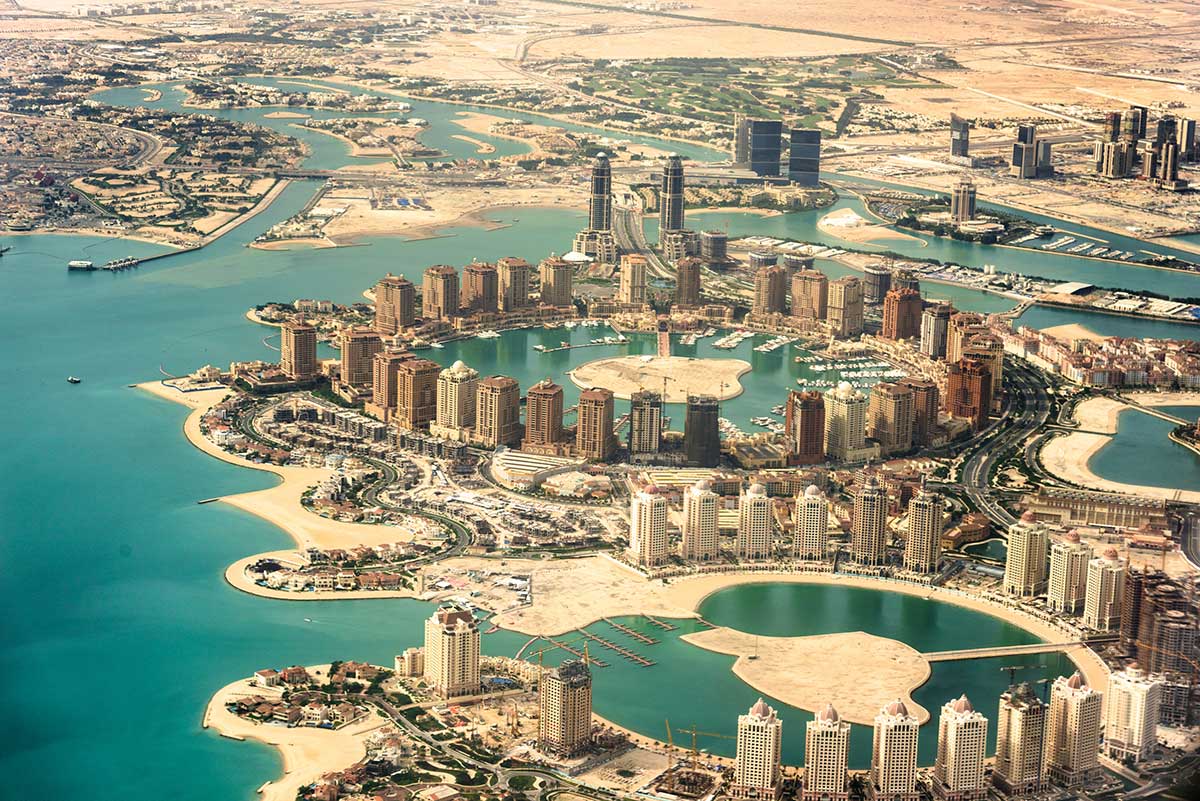
Qatar has become one of the great stopovers, thanks to Qatar Airways and Doha's fast-growing list of attractions. The Museum of Islamic Art, the restored Souq Waqif, the futuristic skyline and the desert dunes where they meet the sea all reward a few days. Polished, compact and easy to combine with a bigger trip.

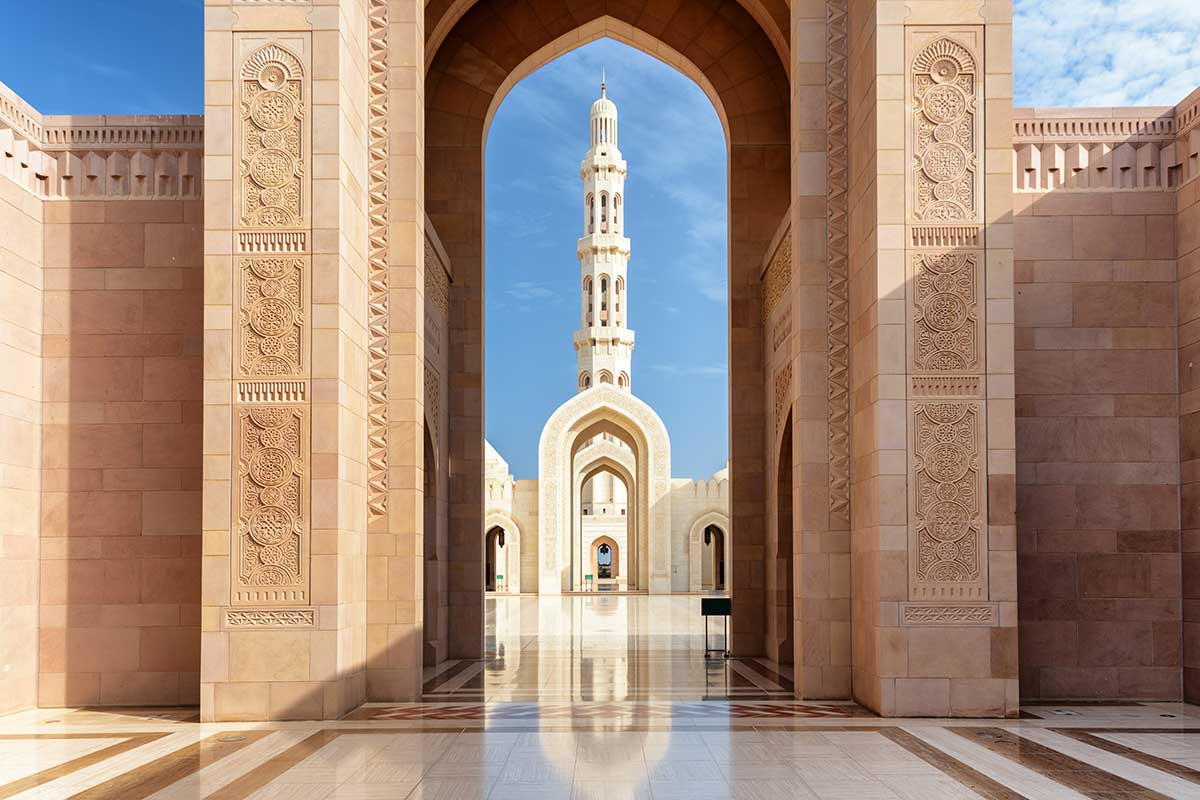
For the region at its most authentic, Oman is the quiet star. Muscat charms with its forts, grand mosque and harbour; the Wahiba Sands and dramatic wadis are made for adventure; and the coast offers diving, turtles and old-world dhows. Less flashy than its neighbours, and all the more rewarding for it.

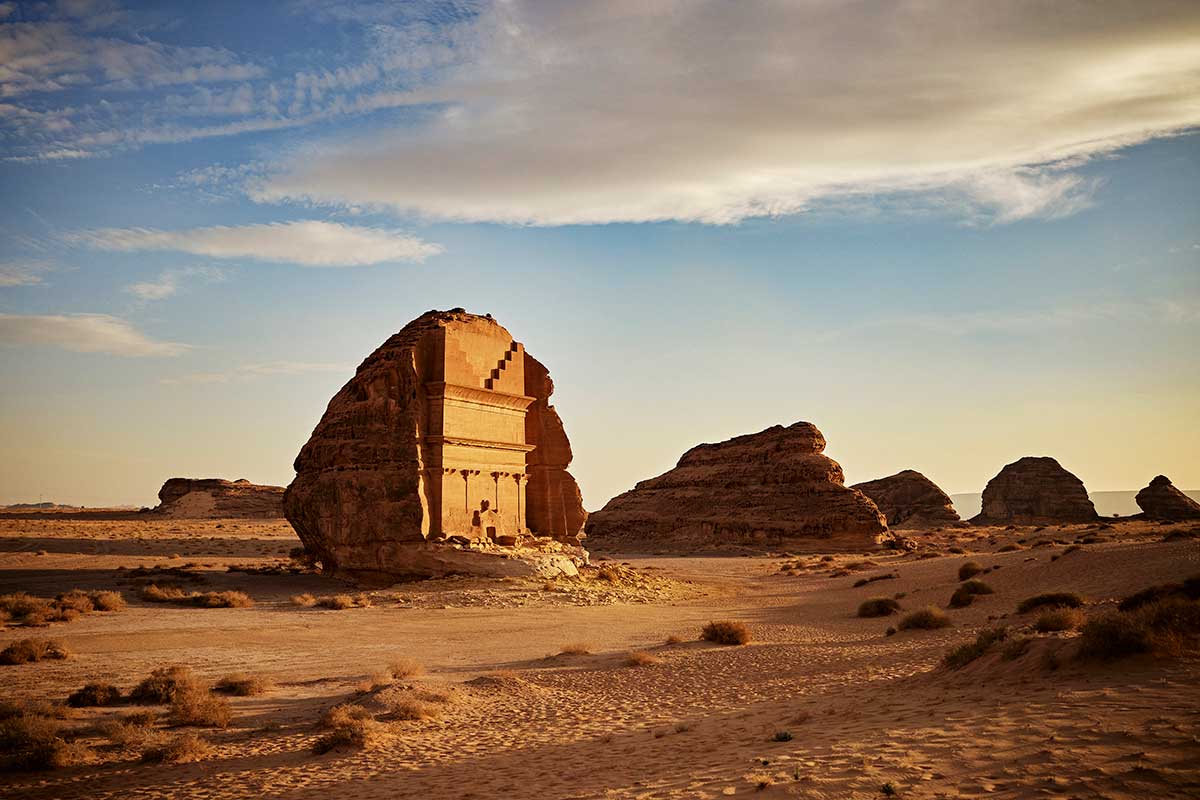
The region's emerging frontier. Saudi Arabia has opened to tourism, and the headline act is AlUla — the spectacular Nabataean tombs of Hegra, a quieter cousin of Petra, amid desert canyons. With new Red Sea resorts and a fast-changing scene, it's one to watch for the adventurous traveller.
Not sure where to start? Here's where Australians head depending on the trip they're after.
Dubai · Abu Dhabi · Doha
Dubai · Abu Dhabi · Qatar
Dubai · Qatar · Oman
Jordan · Oman · AlUla
Wadi Rum · the Wahiba Sands · the Empty Quarter
Dubai · Abu Dhabi · Oman
Dubai · Doha · Abu Dhabi
Oman · the UAE east coast · the Red Sea
The Middle East is a winter-sun destination. The cooler months — roughly October to April — are by far the most comfortable for sightseeing, the desert and the beach; high summer is intensely hot.
A rough guide to daily spending on the ground, per person, once you've arrived. Flights are extra, and we'll give you real pricing for your trip.
Simpler hotels, local eateries, the metro and group day tours.
Comfortable 4–5 star hotels, a desert safari, dining out and a few attractions.
Landmark five-star and beach resorts, fine dining, private guides and first-class everything.
Dubai, Abu Dhabi and Doha can be as cheap or as lavish as you like — world-class luxury sits right beside great-value stopover deals. Jordan and Oman are generally more moderate. Flights are extra, and we'll quote your trip in full.
The Dubai skyline glittering beneath you at dusk.
Dune-bashing, camels and a starlit feast in the sands.
Emerging from the canyon to that first jaw-dropping view.
Sleeping in a desert camp under a blaze of stars.
Abu Dhabi's dazzling white-marble masterpiece at golden hour.
Ancient tombs carved into desert rock, with barely a crowd.
The regional situation can change quickly, and Australian Government advice — including for transit through Gulf airports — can shift at short notice. Always check Smartraveller before booking and before you fly, and talk to us; we monitor it daily.
Dubai, Abu Dhabi and Doha are built for layovers — many airlines offer free or low-cost stopover packages and easy visas. We'll build one into your bigger trip.
Australians generally get visa-free or visa-on-arrival entry to the UAE, Qatar, Jordan and Oman for tourism; Saudi Arabia uses an online eVisa. We confirm exactly what you need.
These are conservative, mostly Muslim countries — modest dress at mosques, and respect for local customs and Ramadan, goes a long way. The Gulf cities are very used to visitors.
Summer is brutally hot. Travel Oct–Apr where you can, carry water, and plan sightseeing for mornings and evenings.
Essential — comprehensive medical, disruption and cancellation cover, and check it stays valid for your destinations, which we'll help you confirm.
The questions Australians ask us most about travelling to the Middle East.
It depends on the country and the current situation, which can change quickly. The Australian Government's Smartraveller service is the definitive source — check it before you book and before you fly, including for any transit through Gulf airports. We monitor advice daily and will only plan travel that's appropriate for the conditions.
The cooler months, roughly October to April, are the most comfortable for the cities, the desert and the beach. High summer (June to September) is intensely hot, though it brings the lowest hotel prices and plenty of indoor attractions.
Yes — it's one of the most popular ways to break the long haul. Dubai, Abu Dhabi and Doha are designed for stopovers, often with free or low-cost packages and easy visas. We'll build a few days into your itinerary.
As a rough daily guide on the ground, budget around $150–280 a day, mid-range $300–600, and luxury $800 and up. The Gulf cities can be done cheaply or lavishly; Jordan and Oman are more moderate. Flights are extra and we'll quote your trip properly.
For tourism, Australians generally get visa-free or visa-on-arrival entry to the UAE, Qatar, Jordan and Oman, while Saudi Arabia uses an online eVisa. We confirm exactly what your itinerary needs.
The Gulf cities are very family-friendly — theme parks, beaches and big resorts in Dubai, Abu Dhabi and Doha — and make an easy stopover. See our family holidays page, and we'll tailor the right few days.
Three decades sending Australians through the Gulf and beyond — the right stopovers and routings, the hotels worth booking, and a real person on the phone the whole way through.
Three decades planning Middle East stopovers and holidays for Australian travellers, with the airline and hotel know-how to match.
No off-the-shelf packages — itineraries built around your dates, budget and the way you travel.
Flights, hotels, tours, transfers and cruises booked and coordinated, all in one place.
Support before you go and while you're away — no chatbots, no overseas call centre.
From a Dubai stopover to the wonders of Petra, the Middle East rewards a few well-planned days. Tell us your style and budget — and we'll keep an eye on the latest travel advice — and build the trip around you.