Old-world cities, island summers and food you'll plan whole trips around — from the Italian classics to the rising stars of the Adriatic. Here's where to go, when to go, what it costs and what's worth the long flight.
Europe is the big one — the trip a lot of Australians save for, dream about for years and never quite tick off completely. It's far, but the moment you're wandering a piazza at dusk or watching the sun drop behind a Greek island, the long flight stops mattering.
And it's really a hundred holidays in one. You can eat your way through Bologna one week and swim off a Croatian island the next, or string London, Paris and Rome together on a single rail pass. Spring blossom, long golden summers, autumn harvests, snow-dusted Christmas markets — there's no wrong time, just a different Europe each season.
Because it rewards coming back, it tends to become a habit: a first big loop of the classics turns into a slow week in Provence, then the Dalmatian coast by boat, then somewhere new again.
The big bucket-list journey, full of the places you've seen in films and photos your whole life.
Beyond the headline cities, Portugal, Greece and the Balkans stretch your dollar a long way.
Trattorias, tapas bars and French markets — eating and drinking well is half the holiday.
Cheap flights and fast trains mean several countries comfortably in one trip.
Long summer beaches, autumn harvests, Christmas markets and spring blooms.
Ancient ruins, Renaissance cities and villages that have barely changed in centuries.
From the perennial favourite to the fast-rising star everyone's talking about — the places Australians are booking most across Europe.

Italy is the one almost everyone wants, and it never disappoints. Rome layers ancient ruins under buzzing piazzas; Florence and Venice slow you down with art and canals; and the south — the Amalfi Coast, Puglia, Sicily — turns up the volume on food, sea and sunshine. Give it two weeks and you'll still be planning the next trip before you land home.

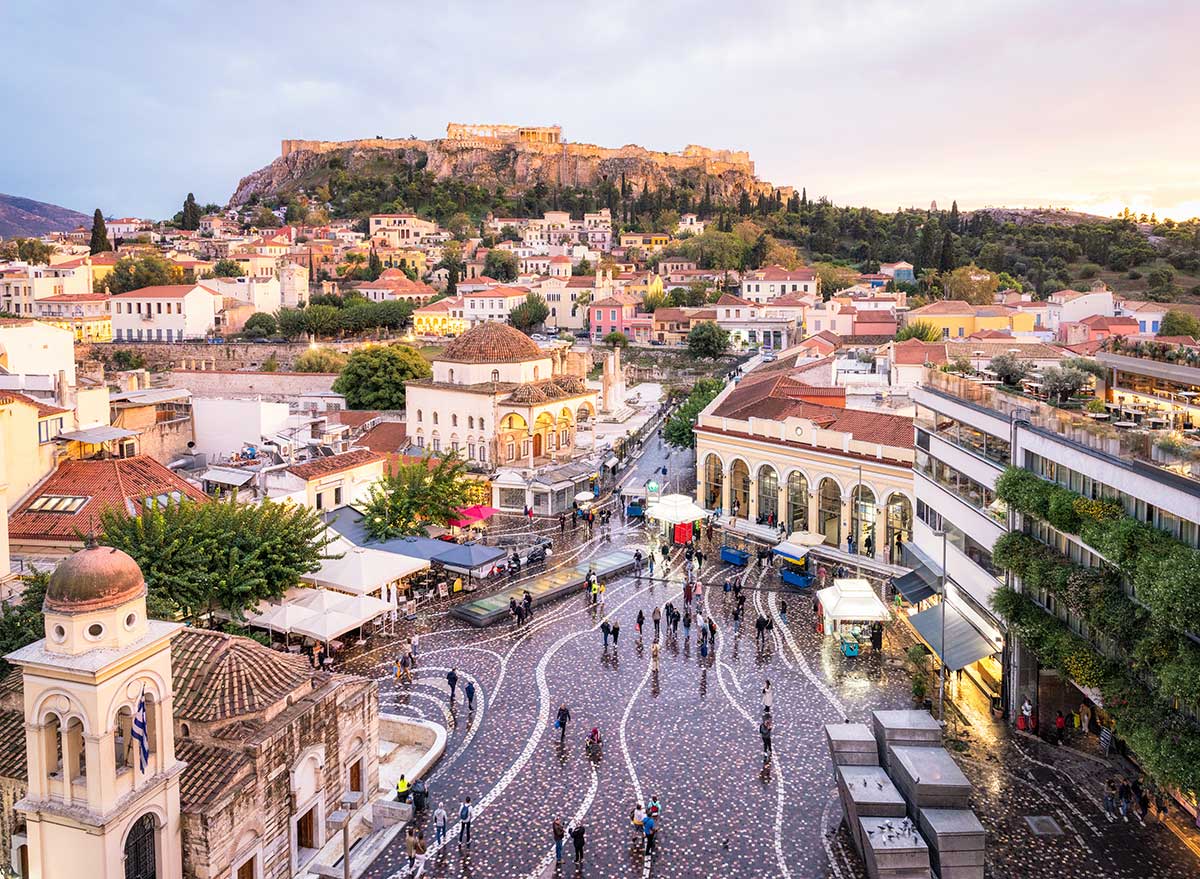
Few places deliver summer like Greece. Athens sets the scene with the Acropolis and a buzzing food scene, then the islands take over — Santorini's caldera sunsets, Mykonos by night, and quieter gems like Naxos and Milos for those in the know. Ferry-hop between them or settle into one and let the days blur into blue.

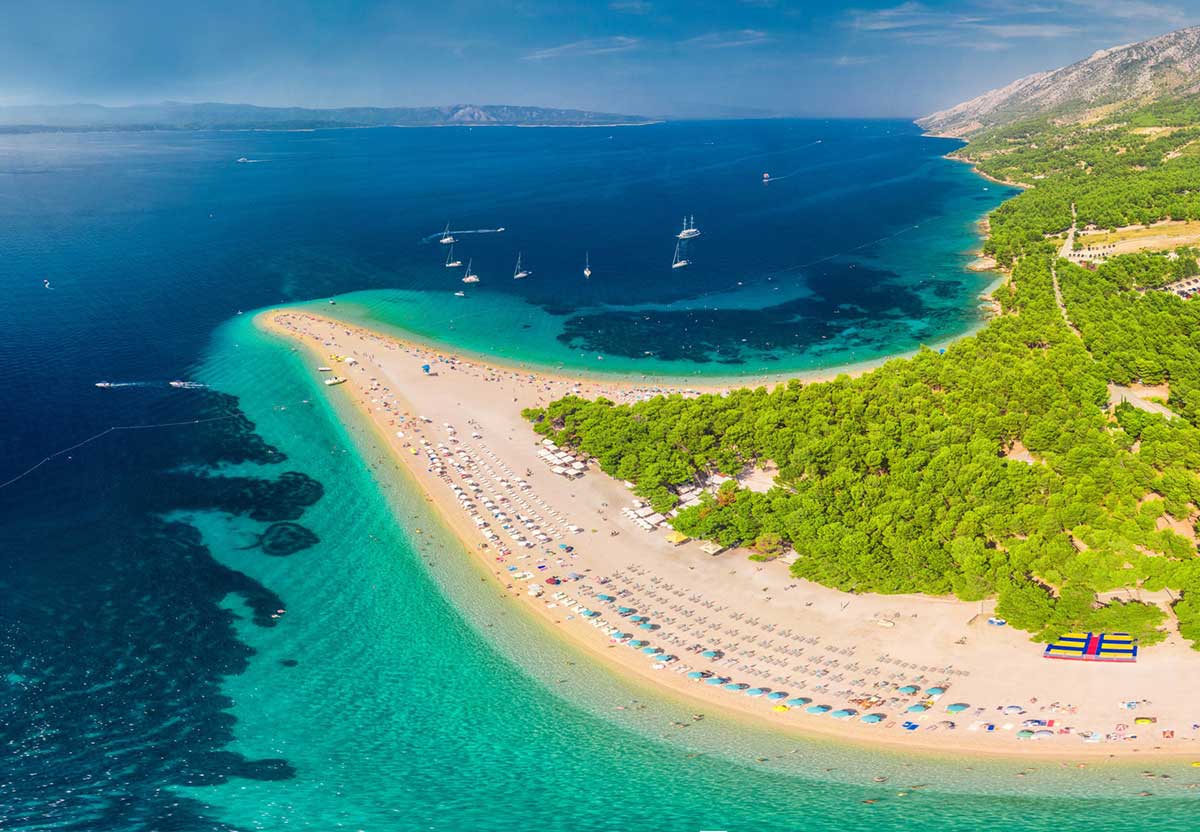
If one corner of Europe is having a moment with Australians, it's Croatia — the Adriatic answer to Italy at gentler prices. Walled Dubrovnik and buzzy Split anchor a coastline of medieval towns and pine-fringed islands, best seen on a small-ship cruise through the Dalmatian islands. Add Plitvice's waterfalls inland and you've got coast and culture in one trip.

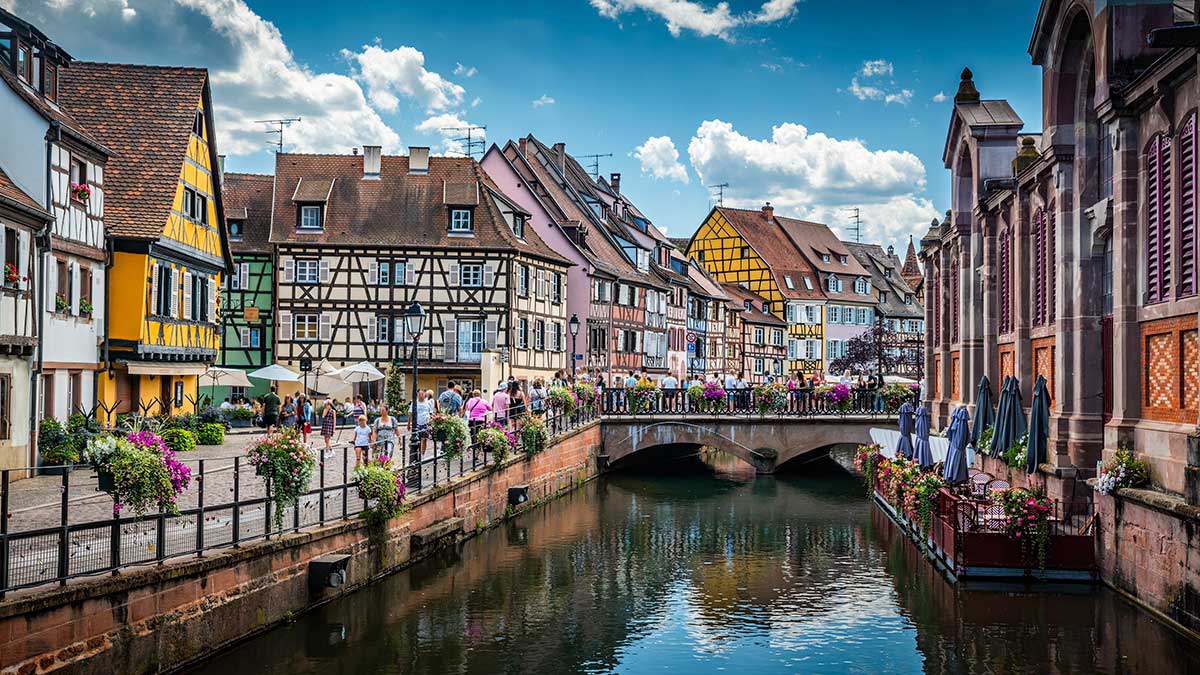
France is really several holidays stitched together. Paris for its museums, markets and unrepeatable evenings; the Loire and Burgundy for châteaux and wine; Provence for lavender, hilltop villages and long lunches; and the Riviera for glamour by the sea. Easy to reach, easy to love, and endlessly worth returning to.

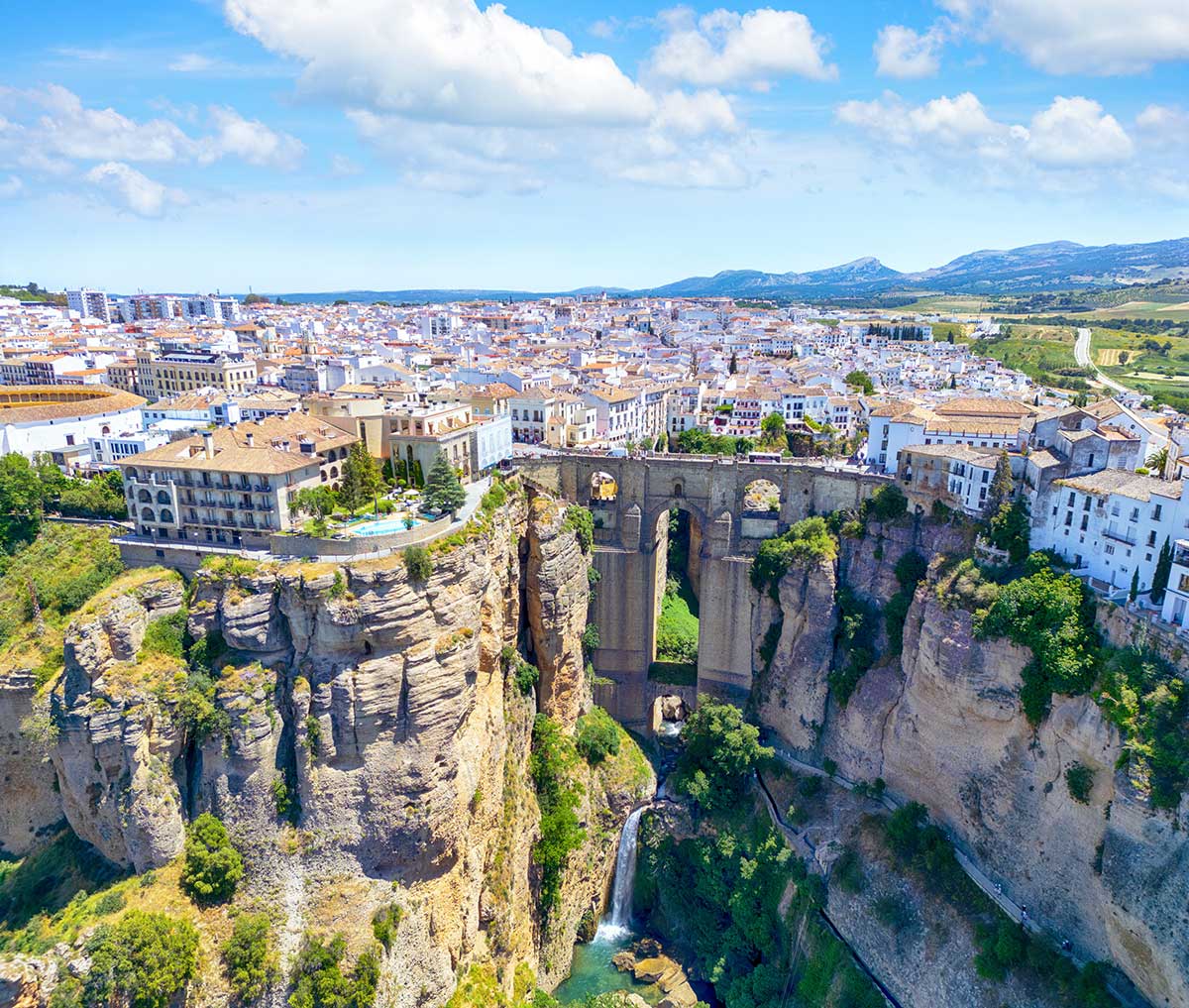
The Iberian pair brings the warmth — late dinners, sun-baked plazas and a coastline made for slow days. Barcelona and Madrid bring the buzz, Andalucía the flamenco and Moorish palaces, and just west, Lisbon and Portugal's Algarve quietly deliver some of Europe's best value and friendliest welcomes.
Not sure where to start? Here's where Australians head depending on the holiday they're after.
Italy · Spain · France
Greece · Italy · Santorini
France · Italy · the Riviera
Italy · France · Spain
Greece · Croatia · the Algarve
London · Paris · Rome
Switzerland · Italy · France
the Rhine · the Danube · Dalmatia
Europe is a year-round affair — but for most of the continent, the shoulder months of May–June and September–October hit the sweet spot of warm days, smaller crowds and better prices.
A rough guide to daily spending on the ground, per person, once you've arrived. Flights are extra, and we'll give you real pricing for your trip.
Hostels and simple hotels, markets and casual meals, trains and city passes.
Comfortable 3–4 star hotels, a mix of restaurants, the odd tour and first-class rail legs.
Boutique and five-star stays, fine dining, private guides and premium rail or small-ship cruising.
Scandinavia, Switzerland and the headline cities sit at the top of these ranges; Portugal, Greece and the Balkans well below. Flights are extra, and we'll quote your trip in full.
The caldera glowing gold as the sun drops into the Aegean.
Vineyards, hilltop towns and long, unhurried lunches.
Croatia's Dalmatian coast by small ship, town to town.
Mulled wine and twinkling stalls in Germany and Austria.
Switzerland's peaks gliding past a panoramic carriage.
Markets, lavender fields and a long table in the sun.
Australians can visit the Schengen area visa-free for up to 90 days, but the EU's new ETIAS authorisation is being introduced and the UK now needs an ETA. We confirm what you need — Smartraveller has the official word.
Cards work almost everywhere; carry a little cash for markets and small towns. Always pay in euros, not dollars, to dodge poor conversion rates.
Europe's high-speed rail is fast, scenic and often easier than flying. A rail pass or pre-booked legs can save real time and money.
July–August is hot and busy. May–June and September bring better weather, smaller crowds and lower prices.
Busy stations and big sights attract pickpockets. A cross-body bag and a little awareness is all it takes.
Never travel without it — comprehensive medical, delay and cancellation cover, which we can arrange when you book.
The questions Australians ask us most about travelling to Europe.
May–June and September–October are the sweet spot for most of Europe — warm, long days without the peak-summer crowds and prices. July–August is hottest and busiest; winter brings Christmas markets and the Northern Lights.
Because the flights are long, most Australians give Europe at least two to three weeks. A fortnight suits one or two countries done well; a month lets you string the classics together without rushing.
As a rough daily guide on the ground, budget around $150–250 a day, mid-range $250–500, and luxury $500 and up — Portugal, Greece and the Balkans cheaper, Scandinavia and Switzerland dearer. Flights are on top, and we'll quote your trip properly.
For the Schengen area you can visit visa-free for up to 90 days in any 180. The EU's new ETIAS authorisation is being rolled out and the UK requires an ETA — we confirm exactly what your itinerary needs.
Both work well. An escorted tour takes the planning off your plate and is brilliant for first-timers; independent rail travel gives you freedom. Many travellers mix the two — see our escorted tours page.
Fast trains link most major cities and are often quicker than flying once you count airport time. For the islands and coast, ferries and small-ship cruises come into their own — we'll plan the right mix.
Three decades sending Australians to Europe and home again — the right rail routes, the hotels worth the money, and a real person on the phone the whole way through.
Three decades planning Europe for Australian travellers, with the suppliers and know-how to match.
No off-the-shelf packages — itineraries built around your dates, budget and the way you travel.
Flights, hotels, tours, transfers and cruises booked and coordinated, all in one place.
Support before you go and while you're away — no chatbots, no overseas call centre.
From the canals of Venice to the Greek islands and Croatia's Dalmatian coast, Europe has a lifetime of trips in it. Tell us your style and budget, and we'll build one around you.